Is medical debt on your credit report in 2026?
A federal judge threw out the CFPB rule in July 2025. A lot of advice online never caught up.
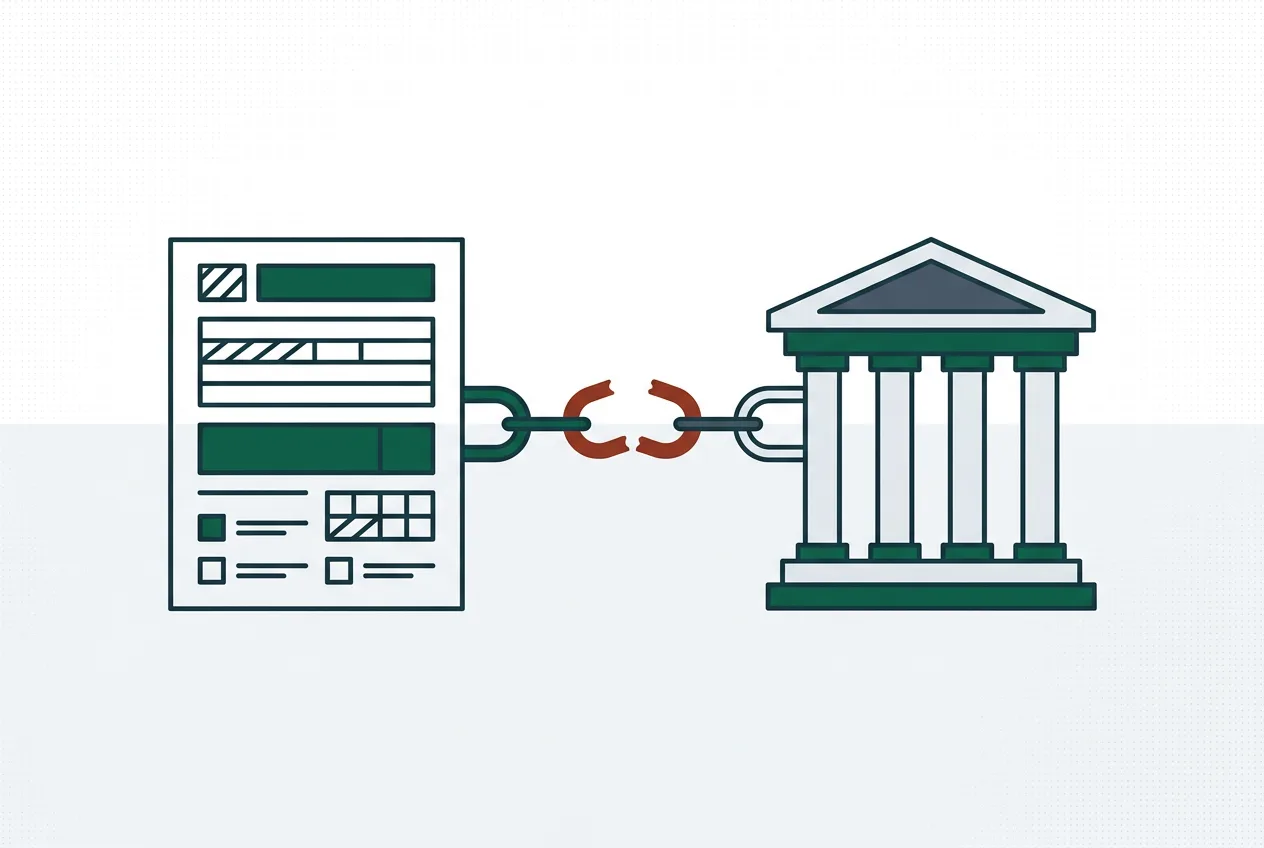
If you searched this question in the last year you probably ran into two different answers, both stated with total confidence. One says medical debt is banned from credit reports. The other says nothing has changed.
The second one is right, and here is why the first one is still everywhere.
What actually happened
In January 2025 the Consumer Financial Protection Bureau finalized a rule that would have pulled medical bills off consumer credit reports entirely. It was a big deal. Roughly 15 million people had medical collections on file, and the rule would have wiped them from the reports lenders see.
It never took effect.
On July 11, 2025, a federal judge in the Eastern District of Texas vacated the rule. The court found the CFPB had gone past what the Fair Credit Reporting Act allows it to do. Vacated means struck down, not paused. The rule is gone.
The court went further. It also found that the FCRA preempts state laws that try to impose the same kind of restriction. That second part matters a lot, and almost nobody writing about this mentions it.
There is no federal ban on medical debt appearing on your credit report. Anyone telling you otherwise is working from a headline that is more than a year out of date.
So what does protect you
Quite a bit, as it turns out. Just not from where most people think.
Back in March 2022, before any of the CFPB action, the three national credit bureaus agreed among themselves to change how they handle medical collections. Those changes were voluntary. They were never struck down, and they are still in force.
Here is what they do.
Paid medical collections come off completely. Not marked as paid. Removed. This started in July 2022 and applies no matter how long the account sat unpaid before you cleared it.
Unpaid medical collections under $500 are not reported. The bureaus purged them in April 2023 and have not put them back. This single change removed the majority of medical collection accounts from the system, because most medical debts are small.
New medical collections wait a year. A medical debt cannot appear on your report until twelve months after it goes to collections. The idea is to give you time to fight your insurer before your credit takes the hit.
Add those up and the practical picture looks like this.
| Your situation | Can it appear on your report? |
|---|---|
| Medical collection under $500, unpaid | No |
| Medical collection of $500 or more, unpaid, less than a year old | Not yet |
| Medical collection of $500 or more, unpaid, more than a year old | Yes, for up to seven years |
| Any medical collection you have paid off | No, it must be deleted |
| Medical debt you put on a credit card | Yes, it is now credit card debt, not medical debt |
That last row catches people. The moment you pay a hospital bill with a credit card or a medical financing plan, none of the medical debt protections apply. It is ordinary consumer debt now.
What about my state?
At least a dozen states have passed their own laws limiting medical debt on credit reports. Colorado, New York, Rhode Island and several others went first, and more have followed.
Be careful here. The July 2025 decision held that the FCRA preempts exactly this kind of state law. That does not automatically erase every state statute overnight, since the ruling came from one district court and the details vary by state. But it does mean a furnisher or a bureau now has a real argument for ignoring your state’s rule.
If your state has one of these laws, check its current status before you count on it. A consumer law attorney in your state can tell you in a five minute conversation whether it is still being enforced.
What to actually do
None of the above is a reason to give up on a medical collection sitting on your report. There is a lot you can do, and the odds are better here than with most other negative items.
Check whether it should be there at all
Pull all three reports free at AnnualCreditReport.com, the site Congress required the bureaus to run. Then check each medical collection against the rules above.
Under $500 and unpaid? It should not be there. Paid, at any amount? It should not be there. Less than a year past the collection date? Too early. Any of those is a straightforward dispute, and the item is coming off, because the bureaus’ own policy says so.
Ask the hospital for an itemized bill first
Medical billing is a mess. Duplicate charges, services you never received, and charges the insurer should have covered are common. Request an itemized statement and read it line by line. If the amount is wrong, you are not disputing a credit report entry, you are disputing a debt, which is a stronger position.
Check whether you qualified for financial assistance
Every nonprofit hospital in the country is required to have a written financial assistance policy. Many are far more generous than people expect, and a lot of them will apply the policy retroactively to a bill already in collections. Ask. The worst case is they say no.
Then dispute the reporting
If the item is genuinely wrong or should not be reported under current policy, dispute it with the bureau and with the collector. Our walkthrough of the dispute process covers how to do that so it actually sticks.
The part nobody wants to say
If the debt is real, is over $500, is unpaid, and is more than a year old, it can sit on your report for seven years from the date you first fell behind. No letter changes that. No service removes it. Anyone charging you for a guaranteed deletion of an accurate medical collection is selling something they cannot deliver.
Paying it does help, and more than it used to, because payment now triggers deletion rather than a “paid” notation. That is a real, mechanical improvement in your report, and it is the closest thing to a guaranteed win in this whole area.
Last verified
September 9, 2026. This page tracks a legal situation that is still moving. The CFPB rule remains vacated and no replacement federal rule has taken effect. If you are reading this well after that date, confirm the current status before you act on it.
Common questions
Can medical debt legally appear on my credit report right now?
Yes. The CFPB rule that would have banned it was vacated by a federal court in July 2025, so there is no federal ban. Unpaid medical collections of $500 or more can still be reported for up to seven years from the date of first delinquency.
Does a medical bill under $500 hurt my credit?
It should not appear at all. Equifax, Experian and TransUnion voluntarily stopped reporting unpaid medical collections under $500 in April 2023, and that policy is still in place. If one shows up anyway, dispute it.
If I pay a medical collection, does it come off my report?
Yes. All three national bureaus remove paid medical collections entirely rather than marking them as paid. This is a voluntary industry policy, not a law, but it has held since July 2022.
How long before a medical bill can show up on my credit report?
The bureaus wait one year from the date the debt goes to collections before it can appear. That window is meant to give insurance disputes time to resolve.
Do state laws protect me from medical debt reporting?
More than a dozen states have passed laws restricting it, but the same July 2025 decision found that the federal Fair Credit Reporting Act preempts state rules of that kind. The protection in your state may or may not survive a challenge, so check its current status before relying on it.
This article is general education, not legal or financial advice. Laws change and individual circumstances differ. Confirm anything time-sensitive with a licensed attorney or a nonprofit credit counselor before you act.