Pay for delete, and what to actually offer
Collectors buy these debts for pennies. That is the number you are negotiating against.
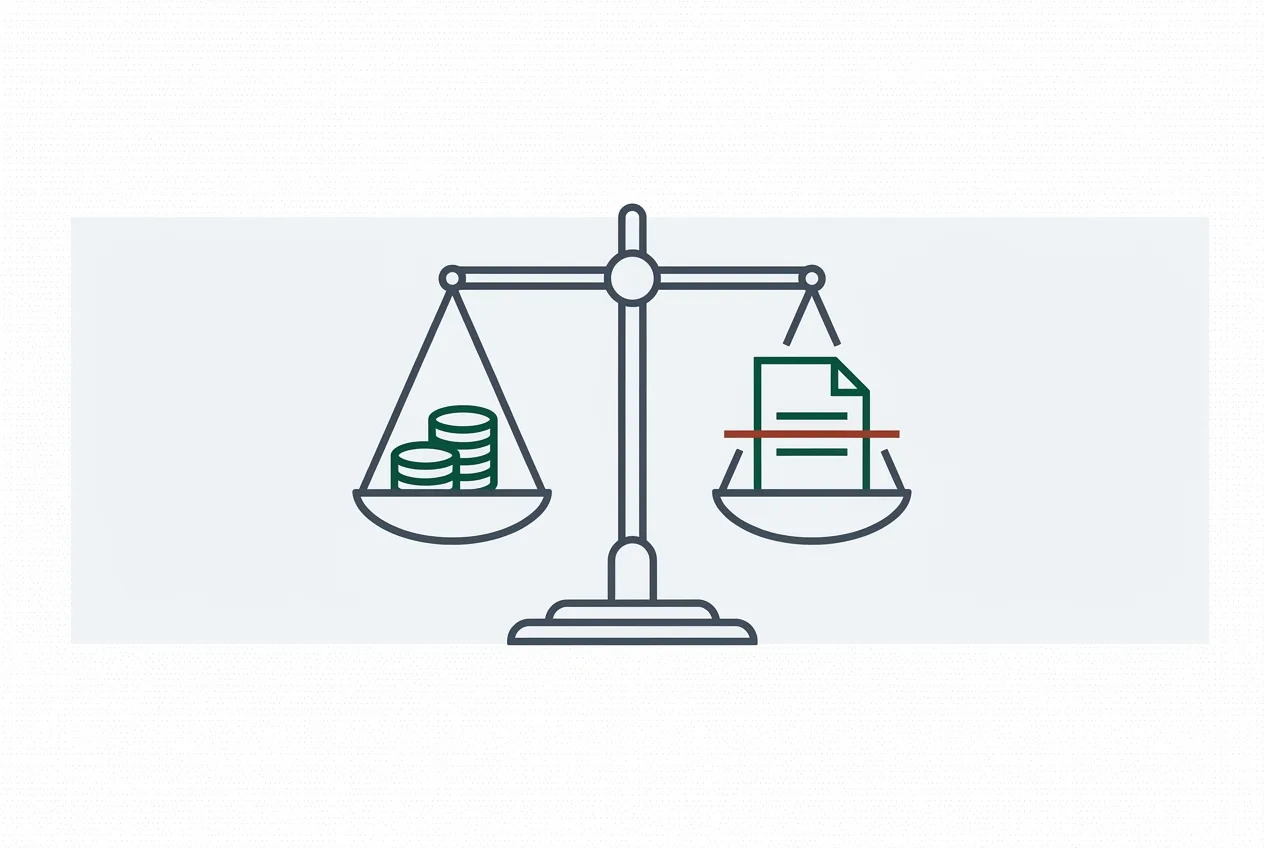
A collection agency bought your $800 medical bill as part of a portfolio. They may have paid eight dollars for it.
That is not a figure they will confirm, and it varies enormously by debt age and type. But the shape of it is the reason there is room to negotiate, and it is the thing most people do not know when they pick up the phone.
Is it legal?
Yes. Nothing in federal law stops a collector from agreeing to remove a tradeline in exchange for payment.
What complicates it is that the credit bureaus discourage the practice. Data furnishers sign agreements committing to report accurately and completely, and deleting an account that genuinely existed sits awkwardly against that. So some collectors refuse on principle, some agree readily, and some agree but will only say so on the phone.
The practical effect: it is worth asking every time, and you should never assume a refusal from one agency predicts the next.
What to offer
Before you name a number, work out what you are negotiating against.
A debt buyer purchased your account in a bundle, often for a small fraction of face value. Their margin is wide and their incentive is to close the file. This is where the room is.
The original creditor, who never sold the debt, has much less flexibility. Their internal policy usually sets the floor and their collections department cannot go under it.
A contingency agency, collecting on behalf of the original creditor for a percentage, sits in between and often has to get approval.
You can usually tell which you are dealing with by whether the company is listed as the current owner of the debt or as an agent for someone else. The validation notice says.
| Who holds it | Realistic opening | Common landing zone |
|---|---|---|
| Debt buyer, old account | 25 to 35 percent | 40 to 60 percent |
| Contingency agency | 40 to 50 percent | 60 to 75 percent |
| Original creditor | 50 to 60 percent | 70 to 100 percent |
Those are patterns, not promises. The older the debt and the closer it is to falling off your report anyway, the weaker their position and the better yours.
Never pay before the agreement is in writing. A verbal promise to delete is worth nothing once the money has moved, and the representative who made it may not work there next month.
Watch the statute of limitations. On a debt old enough that they can no longer sue you, a payment can restart that clock in many states. Check the two clocks before you send anything on an old account.
Getting it in writing
Ask them to email or mail an agreement before you pay. It needs to say four things:
- The amount you are paying settles the account in full
- They will request deletion of the tradeline from all three bureaus within a set number of days
- They will not sell or transfer any remaining balance to another collector
- How the account will be reported in the meantime
That third point is the one people forget. A collector who deletes their own tradeline but sells the unpaid remainder has solved nothing, because the new owner posts a fresh entry.
If they will only agree by phone, ask for the representative’s name and a reference number, write down the date and time, and send them a letter the same day confirming what was agreed. That is not as good as their own written agreement, but it is far better than nothing.
Pay by a method that leaves a record and does not expose your bank details. A cashier’s cheque or a money order is safer than handing over an account number for an ACH debit.
When deletion is off the table
Plenty of collectors will settle but will not delete. That is still worth doing, and the wording matters.
Ask whether they will report the account as paid in full rather than settled for less than the full balance. Both are better than unpaid. The first is meaningfully better than the second in the eyes of a human underwriter reading your file, even where a scoring model treats them similarly.
Will it actually raise your score?
This is where the honest answer disappoints people.
If the account is deleted, yes. The entry is gone and every scoring model stops counting it.
If it is merely paid, it depends entirely on which model the lender uses. FICO 8 remains widely used and it treats a paid collection much like an unpaid one, so paying may move your score very little. FICO 9 and VantageScore 4.0 ignore paid collections entirely, so on those models the improvement is real and immediate.
You do not get to choose which model a lender pulls. That is the argument for pushing for deletion rather than settling for paid status, and it is also why the timing matters: if you are two months from a mortgage application, this is worth real effort, and if you are three years out, the entry will fade on its own.
Medical collections are the exception worth knowing. The bureaus delete paid medical collections outright as a matter of policy, so you do not need to negotiate for it. Our medical debt guide covers what still applies after the 2025 court ruling.
Check it actually happened
Pull all three reports about a month after you pay, free at AnnualCreditReport.com. Deletion requests get missed, and bureaus update on their own schedule.
If the entry is still there and you have the agreement in writing, that is now a straightforward dispute with documentary evidence attached, which is the strongest kind.
Last verified
September 12, 2026. Negotiation ranges reflect commonly reported outcomes, not guaranteed results.
Common questions
Is pay for delete legal?
Yes. No law prohibits a collector from agreeing to stop reporting an account in exchange for payment. The credit bureaus discourage it in their furnisher agreements, which is why plenty of collectors decline, but the arrangement itself is not illegal.
How much should I offer for a pay for delete?
Debt buyers often pay a few cents on the dollar for old portfolios, so there is real room. Opening somewhere around 25 to 35 percent of the balance is common, and settling in the 40 to 60 percent range is a normal outcome. An original creditor who never sold the debt has far less flexibility.
Is it better to settle or to pay for delete?
Deletion helps your report more, settlement is easier to get. If the collector will not delete, a settlement marked paid in full generally looks better than settled for less than full balance, so it is worth asking which wording they will agree to.
Will paying a collection raise my credit score?
It depends on the scoring model. FICO 8, which many lenders still use, counts a paid collection much the same as an unpaid one. Newer models like FICO 9 and VantageScore 4.0 ignore paid collections. Deletion is the only outcome that helps across every model.
Can a deleted collection come back on my report?
It can. If the debt is sold again, the new owner may report it as a fresh entry. That is why the written agreement should say the account will be deleted and not resold, and why you should pull your reports a month later to confirm.
This article is general education, not legal or financial advice. Laws change and individual circumstances differ. Confirm anything time-sensitive with a licensed attorney or a nonprofit credit counselor before you act.