Can you raise your credit score 100 points in 30 days?
The honest answer depends entirely on why your score is low.
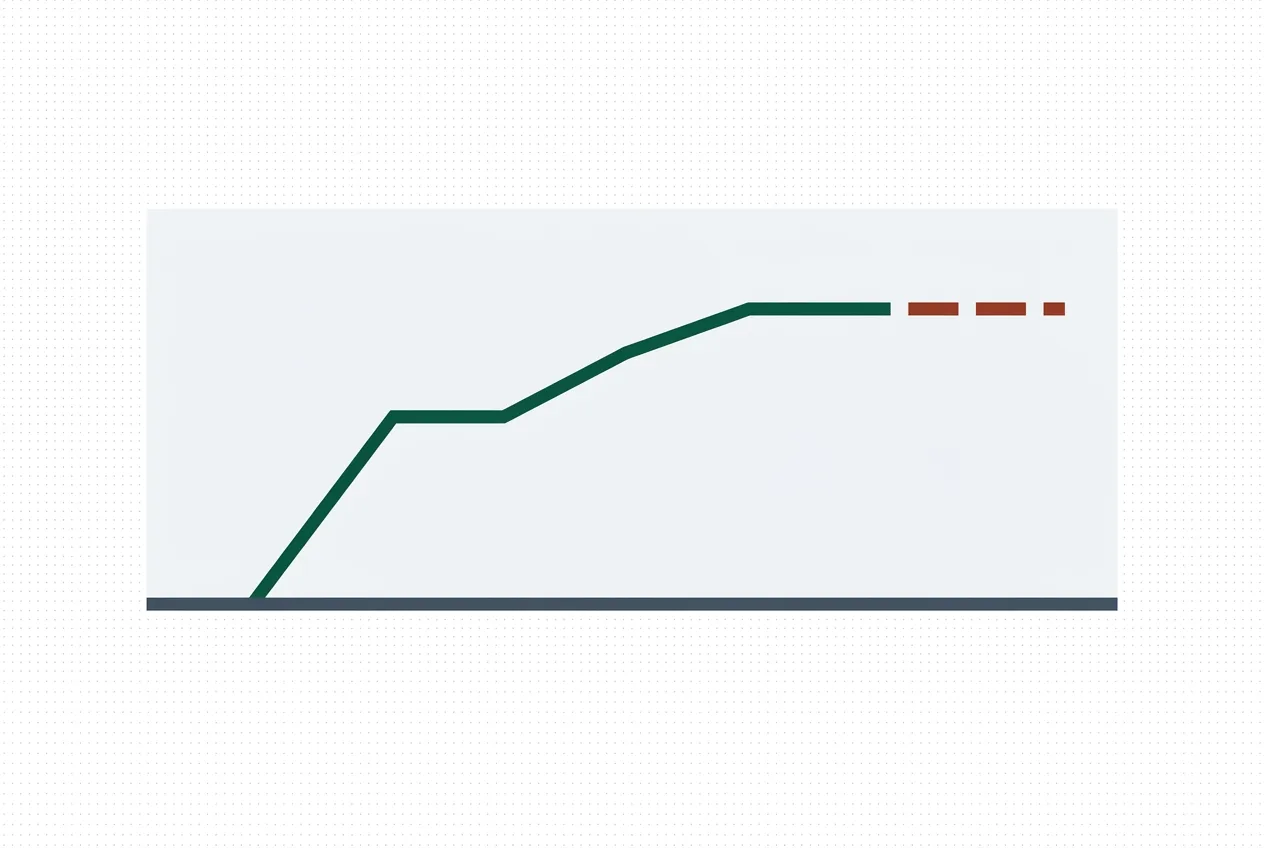
People search “raise my credit score 100 points in 30 days” constantly, and the pages ranking for it are mostly selling something.
The real answer depends completely on why your score is low. For some people a hundred points in a month is genuinely achievable. For others nothing legitimate gets there, and knowing which situation you are in saves you money.
When a fast, large jump is real
Your cards are maxed out. This is the big one. Utilization is around 30 percent of a FICO score and it has no memory. Take three cards from 90 percent down to 10 percent, paying before the statements close, and the next reporting cycle can move your score dramatically. Weeks, not years.
There is a significant error on your report. A collection that is not yours, an account belonging to someone with a similar name, a late payment you did not make. Removing one can produce a large jump, and the Section 611 process runs in 30 days. How to dispute a credit report error covers doing it properly.
You are a victim of identity theft. The block is faster than a dispute at four business days, and if fraudulent accounts are dragging your file down, removing them can move your score further than anything else on this list. The FCRA 605B identity theft block has the process.
You have a thin file and access to a good authorized user account. Being added to an old, high-limit, spotless card can move a sparse file quickly. When authorized user status helps and when it backfires covers the risks.
When it is not real
If your score is low because of accurate, recent negative information, there is no fast route. A charge-off from eight months ago, three lates this year, a collection you genuinely owe: these are true, they stay seven years, and nothing removes them on demand.
What happens instead is gradual. Their weight decays month by month while new on-time payments accumulate. That process is reliable and slow, and any pitch promising to shortcut it is selling either a dispute campaign against accurate data or something worse.
Mass disputes against accurate accounts, hoping something falls off when a furnisher misses a deadline. Items usually come back, and you risk a frivolous determination that makes real corrections harder.
Purchased tradelines, which modern scoring models increasingly discount.
CPNs or new credit identities, which is fraud. You sign the application, so you carry the risk while the seller does not.
Anyone advertising a guaranteed point increase is describing an outcome nobody controls.
In order of speed
Days to one cycle
- Pay revolving balances down before the statement closing date, not the due date
- Ask for credit limit increases, which improves the same ratio from the other direction
- Stop opening new accounts until after the application you care about
Inside 30 to 45 days
- Dispute genuine errors with the bureau and the furnisher
- Request validation from any collector who contacted you recently
- Get added as an authorized user on a strong account
One to six months
- Goodwill requests on isolated late payments
- Negotiating deletion on collections
- Building a positive record with a secured card if your file is thin
One to three years
- Recovering from accurate delinquencies
- Rebuilding after bankruptcy
- Getting from 500 to 700, realistically
The statement date, because it is the lever that pays
If you remember one thing, this.
Card issuers report your balance on the statement closing date, not the due date. So paying in full every month still reports whatever the balance was when the statement cut.
Spend $3,000 on a $5,000 limit, pay it in full and on time, and your report can still show 60 percent utilization. You pay no interest, carry no debt, and score as though you were heavily indebted.
Pay most of it before the statement closes and the reported figure drops. Same money, same month, different number on your report. Credit utilization and why the 30 percent rule is wrong goes through it properly.
This is the closest thing to a free lever in credit scoring, and it is why a hundred points in thirty days is occasionally true.
What actually damages scores
Ranked:
- Recent missed payments. Severity and recency both count
- High utilization, which is also the most fixable
- Collections and charge-offs
- Public records, bankruptcy above all
- Very short credit history, which only time fixes
- Hard inquiries, which cost a few points and fade within a year
The item people obsess over most sits at the bottom. Hard inquiries and why they matter less than you think explains the gap between attention and impact.
A realistic 90 day plan
Weeks 1 and 2. Pull all three reports free at AnnualCreditReport.com. List every error. Find each card’s statement closing date.
Weeks 3 and 4. File specific, evidence-backed disputes. Pay balances down before statements close. Request limit increases.
Month 2. Chase dispute responses. Escalate anything wrongly verified with a CFPB complaint that gets results. Keep utilization low through the next cycle.
Month 3. Send goodwill requests on isolated lates. Negotiate any collections worth settling. Confirm the corrections actually landed.
If your file had errors or maxed cards, you will see a real difference. If it did not, you will see a small one, and the rest takes time.
Last verified
October 13, 2026.
Common questions
Can you really raise a credit score 100 points in 30 days?
In specific situations, yes. Paying down maxed credit cards before the statements close, or getting a large error removed, can move a score that far inside a cycle. If your score is low because of accurate recent delinquencies, no legitimate method does it that fast.
What is the single fastest way to raise a credit score?
Paying revolving balances down before the statement closing date. Utilization is roughly a third of a FICO score, has no memory, and updates as soon as the next statement reports.
What hurts a credit score the most?
Recent missed payments. Payment history is the heaviest factor, and severity plus recency drive the damage. A 90 day late from last month outweighs almost anything else you could fix quickly.
How can I fix my credit with no money?
Disputing genuine errors costs a stamp. Goodwill requests cost a stamp. A CFPB complaint is free. Paying balances down before the statement closes costs nothing extra if you were going to pay anyway, only earlier.
How long does it take to go from 500 to 700?
Typically one to two years of consistent on-time payments and low utilization, longer if there are collections or a bankruptcy involved. The early gains come fastest and the last stretch to 700 is the slowest part.
This article is general education, not legal or financial advice. Laws change and individual circumstances differ. Confirm anything time-sensitive with a licensed attorney or a nonprofit credit counselor before you act.