Debt validation letters, and what actually happens after you send one
Most guides stop at the template. The useful part is what comes back.
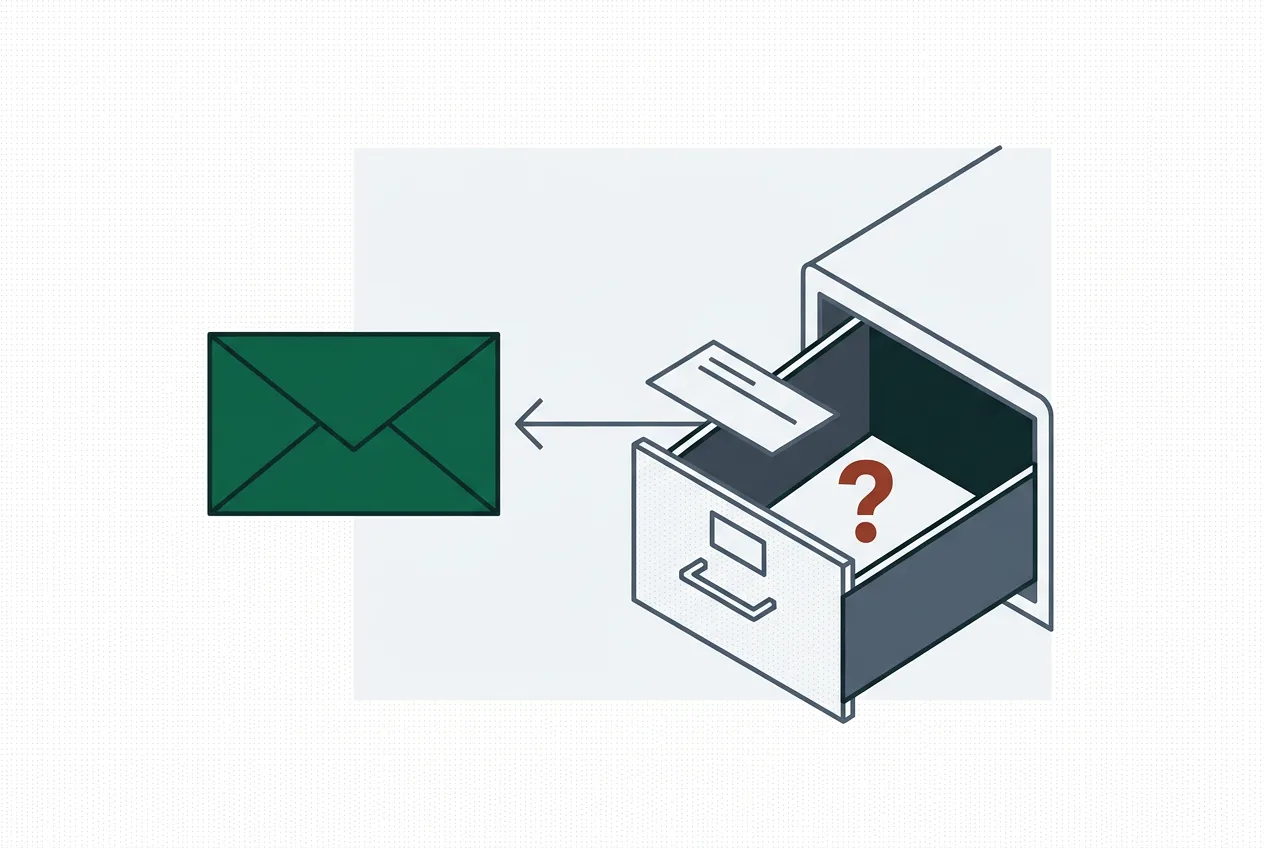
A collector calls about a $1,200 balance from a card you closed in 2019. You do not recognise the company. They want a payment today.
The single most useful thing you can do in that moment is nothing. Then, in writing, ask them to prove it.
The window that matters
Under the Fair Debt Collection Practices Act, at 15 U.S.C. 1692g, a collector who contacts you has to send a written validation notice within five days of that first contact. That notice must tell you the amount, who the current creditor is, and that you have 30 days to dispute.
Since Regulation F took effect in late 2021, that notice also has to carry an itemisation of the debt and a tear-off dispute form with check boxes like “This is not my debt” and “The amount is wrong.”
Here is the part people miss. If you send a written dispute or validation request within 30 days of receiving that notice, the collector must stop collection activity until they mail you verification. Not pause when convenient. Stop.
Miss the 30 days and you can still ask. Many collectors still answer. But the legal brake is gone, and they can keep calling while they decide whether to bother.
Do not confirm the debt is yours, do not confirm the amount, and do not make a “good faith” payment to buy time. On an old debt, a payment can restart the statute of limitations in many states and hand the collector years of fresh time to sue. Our guide on the two clocks covers how that works.
What to send
Keep it short. You are making a request, not arguing a case.
Date
Your name and mailing address
Collector name and address
Re: Account number [as it appears on their notice]
To whom it may concern:
I am responding to your contact about the above account. I dispute this debt and request validation under 15 U.S.C. 1692g.
Please provide the amount of the debt and an itemisation, the name and address of the original creditor, documentation showing I am the person responsible for this account, and evidence that your company has the legal right to collect it.
Until you provide this, please cease collection activity on this account as required by law. Please direct all further communication to me in writing at the address above.
Sincerely,
Your name
Send it certified mail with return receipt requested, and keep the green card. That receipt is the dated proof that you asked inside the 30 days, which is the whole basis of the protection. Email or a phone call leaves you nothing to show.
Do not include your Social Security number, your date of birth, or a copy of your ID. They have your address already.
The three things that come back
Nothing at all
This is common, especially with debts that have been sold more than once. Portfolios often change hands as spreadsheets, with the underlying paperwork left behind.
Silence does not erase the debt. What it does is bar them from collecting until they produce verification. If they keep calling anyway, that is a violation you can document and act on.
Then check your credit reports. A collector who cannot verify a debt but keeps reporting it to the bureaus has a real problem, and that is a strong dispute. Our dispute walkthrough covers filing it.
A thin printout
A single page showing your name, an address, a balance and an account number is the most common response. Courts have generally not required collectors to produce the original signed contract at this stage, so a bare printout is often treated as enough to resume collection.
If the amount looks wrong, or the account is not yours, say so in writing and be specific about which part is wrong. Vague objections get filed. A concrete factual claim has to be dealt with.
Real documentation
Statements, a bill of sale showing the chain of ownership, an account history that matches your memory. If that arrives and the debt is genuinely yours and still within the statute of limitations, validation has done its job. It confirmed the debt is theirs to collect.
At that point your options are paying, negotiating a settlement, or deciding the reporting damage is nearly aged off anyway. Pay for delete and settlement amounts covers the negotiation.
What validation is not
It is not a loophole. It does not make a legitimate debt vanish, and a collector who responds properly is entitled to keep collecting.
It is also separate from a credit bureau dispute. Validation is a demand on the collector under the FDCPA. A dispute is a demand on the credit bureau under the Fair Credit Reporting Act. Sending one does not do the other, and for a collection account on your report you generally want both.
The honest value of a validation request is this: it costs a stamp, it pauses collection while the clock runs, and it tells you whether the company chasing you can actually back up the claim. A surprising number cannot.
Last verified
September 3, 2026. References are to the Fair Debt Collection Practices Act, 15 U.S.C. 1692 and following, and to Regulation F at 12 CFR Part 1006.
Common questions
How long does a debt collector have to validate a debt?
There is no deadline. The rule is that they must stop collecting until they mail you verification, and many collectors simply never respond. Silence is not a win on its own, but it does mean they cannot keep contacting you about that debt.
What is the next step after a debt validation letter?
It depends what comes back. Real verification means the debt is probably theirs to collect, so move to negotiating or paying. A thin printout means push back in writing. No response at all means they must stop collecting, and you should check whether they are still reporting it to the bureaus, because continuing to report an unverified debt is its own problem.
Is it too late to send a validation request after 30 days?
You can still ask, and many collectors will still respond, but the automatic protection is gone. Inside 30 days of their first contact, a written request legally forces them to pause collection. After that it is a request, not a requirement.
Do I have to pay a debt that was sold to another company?
If the debt is genuinely yours and within the statute of limitations, yes, the buyer has the right to collect it. What changes is their paperwork. Debts sold several times often arrive with very little documentation, which is exactly what a validation request tests.
Does requesting validation hurt my credit score?
No. Asking for validation has no effect on your score. If the collector marks the account as disputed while it is unresolved, that notation does not lower your score either.
This article is general education, not legal or financial advice. Laws change and individual circumstances differ. Confirm anything time-sensitive with a licensed attorney or a nonprofit credit counselor before you act.