Goodwill letters, and how often they actually work
There is no legal right behind this one. It is a favour, and asking well matters.
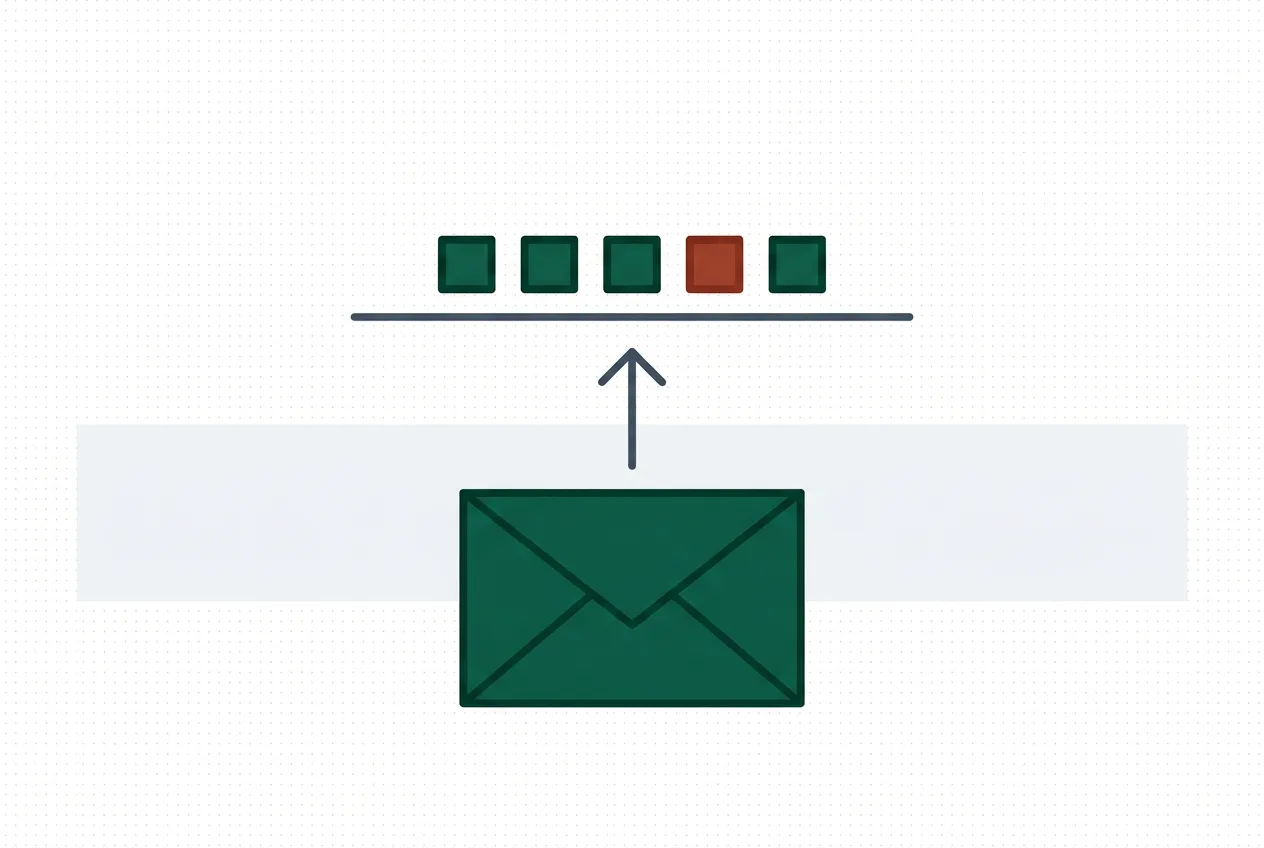
A goodwill letter asks a creditor to remove a late payment they reported correctly, because you have otherwise been a good customer and you would like a break.
That is the whole mechanism. There is no statute behind it. You are asking a company to do you a favour, and the useful question is when a company says yes.
Why it can work at all
The Fair Credit Reporting Act tells furnishers what they must do when they report: report accurately, investigate disputes, correct what is wrong. It does not require them to report in the first place.
So a creditor who reported a 30 day late in March 2024 is allowed to stop reporting it. They are not obliged to, and no dispute can force them to, because the entry is true. But the door is not locked.
That distinction is the whole game. A dispute is a claim that something is wrong. A goodwill request concedes the entry is right and asks anyway.
Sites quoting “goodwill letters work 50 percent of the time” are making it up. No creditor publishes this and no one has run a controlled study. Treat any specific percentage as marketing.
When the odds are reasonable
The pattern that gets a yes looks like this:
- One late payment, or two, against several years of on-time history
- The account is still open and in good standing, or closed in good standing
- The late has an explanation that is short, true, and not an excuse
- You are current now and have been for a while
- You are asking the original creditor, who has a relationship with you worth keeping
The pattern that gets a no:
- A run of late payments
- An account that charged off or went to collections
- A request sent to a collection agency rather than the original creditor
- A federal student loan servicer, where the discretion largely does not exist
- A letter that argues the entry is inaccurate, which turns a favour request into a dispute you will lose
Who to actually write to
Send it to the original creditor. The credit bureau cannot help you here, because it only publishes what the furnisher sends.
Skip the general correspondence address on your statement if you can. Those go to a queue staffed by people with no authority to make this decision. Executive customer service, sometimes called the office of the president, is the address that reaches someone who can. A little searching usually turns one up.
Both mail and a secure message through the account portal work. Mail is slower and tends to be taken more seriously. Portal messages are faster and leave a timestamped record, which is not nothing.
What to write
Short, specific, no legal language, no threats. You are asking a person for a favour.
Date
Your name, address, account number
To whom it may concern:
I am writing to ask for a goodwill adjustment on my account ending 4471.
In March 2024 my payment posted eleven days late. I had changed banks and the autopay transfer failed without my noticing. That is my responsibility and I am not disputing that the payment was late.
I have held this account since 2017 and every other payment across those years has been on time. The account is current and I have set up a balance alert so this does not recur.
I am applying for a mortgage this spring and this single entry is the one blemish on an otherwise clean file. I would be grateful if you would consider removing the March 2024 late payment as a gesture of goodwill.
Thank you for considering it.
Your name Phone number
Four things that letter does deliberately. It admits fault instead of arguing. It gives a concrete reason without making it sound like someone else’s fault. It shows the history that makes you worth keeping. And it names a real stake, which gives the reader a reason to care.
Do not send a template that reads like a template. These are read by people, and the ones that work read like a person wrote them.
If the first answer is no
A no from the first channel is not the end. Ask again in a couple of months, or through a different channel, and keep it just as polite. Some companies have an informal policy of declining the first request and considering the second.
What does not help is volume. Sending the same letter weekly gets you flagged as a nuisance.
If the answer stays no, the entry stays until it ages off. A single late payment falls off seven years after it was reported, and its effect on your score fades long before that. A late from four years ago is already doing very little damage compared with one from four months ago.
What to do instead when goodwill is the wrong tool
If the entry is actually wrong, do not ask for goodwill. Dispute it, and follow the Section 611 process, because an inaccurate entry has to be corrected and you do not need anyone’s favour.
If the account is in collections, goodwill is not the lever. Negotiating deletion as a condition of payment is, and pay for delete covers how to structure that.
Last verified
September 8, 2026. General principles. Individual creditor policies vary and are not published.
Common questions
How often do goodwill letters actually work?
Nobody publishes real numbers, and anyone quoting a precise success rate is inventing it. What is clear from how the process works is that the odds are decent on a single late payment with a long clean history behind it, and poor on repeated lates or an account that went to collections.
Can a creditor legally delete an accurate late payment?
Yes. The Fair Credit Reporting Act requires furnishers to report accurately, and nothing obliges them to report at all. A creditor can choose to stop reporting an item. They just cannot be made to.
Who do I send a goodwill letter to?
The original creditor, not the credit bureau. The bureau only relays what the furnisher reports, so it has no power to grant this. Aim for an executive customer service address rather than the general correspondence address if you can find one.
Do goodwill letters work on collections?
Rarely. A collection agency has no relationship with you to preserve and no goodwill to extend. With collectors, negotiating deletion as part of a payment is the realistic route, not an appeal to goodwill.
Does a goodwill letter work on federal student loans?
Generally no. Federal loan servicers operate under contract rules that leave them little discretion to remove accurate delinquency reporting, so the usual advice does not transfer.
This article is general education, not legal or financial advice. Laws change and individual circumstances differ. Confirm anything time-sensitive with a licensed attorney or a nonprofit credit counselor before you act.